You arrived with a credit history that made sense somewhere else. Here, nobody can see it. Landlords ask for a credit check, phone providers run one, and the bank runs another when you ask about a loan or a mortgage. With an empty file, you look like a risk even if you have never missed a payment in your life.
A secured credit card is the most straightforward fix. You put down a deposit, the card reports your activity to Canada's credit bureaus, and a file starts growing. It isn't glamorous and it isn't instant, but it works — and for most newcomers it's the fastest realistic route to a score a lender will take seriously.
Why a Canadian credit file matters
Two companies keep credit records in this country: Equifax Canada and TransUnion Canada. Lenders report your borrowing behaviour to one or both, and anyone deciding whether to trust you with money — a bank, a landlord, sometimes an insurer or a telecom provider — can ask to see it.
Credit scores run from 300 to 900. Above roughly the mid-600s, doors start opening. Below that, you may be asked for a larger deposit on utilities or turned down for a postpaid phone plan. A score isn't a moral judgement; it's a summary of how you've handled borrowed money, and it needs data to exist.
That's the catch. Credit histories generally don't travel across borders. A handful of banks run newcomer programs that will look at foreign income or a credit report from your previous country, and those are worth asking about, but most newcomers start from zero. Starting from zero isn't the same as having bad credit. It just feels that way when you're the one being declined.
What a secured card actually is
You deposit money with the issuer — often a few hundred dollars, sometimes more — and that deposit becomes your credit limit or a large part of it. Then you use the card like any other: you buy things, you get a statement, you pay it off. The deposit isn't a fee and it isn't spent. It sits there as collateral, and in most cases you get it back when you close the account in good standing or move up to an unsecured card.
The part that matters for your file is reporting. A card only helps if the issuer sends your payment history to the bureaus. Most secured cards from the major banks do. Many prepaid cards don't, because a prepaid card isn't credit at all — you're spending money you already loaded. Before you sign anything, ask two questions: does this report to both Equifax and TransUnion, and how long until I can graduate to an unsecured card? A straight answer to both is a good sign.
How to get one: five steps
- Gather your documents. You'll need a Social Insurance Number, government-issued photo ID such as a permanent resident card or work permit, proof of a Canadian address, and a Canadian bank account to fund the deposit.
- Compare three or four issuers. Look at the minimum deposit, the annual fee, whether the card reports to both bureaus, and whether it graduates. Big banks, credit unions and a few online lenders all offer secured products, and the terms differ more than you'd expect.
- Apply. Branches can usually do this in one appointment. If your bank has a newcomer package that bundles a chequing account with a secured card, ask exactly what's waived and for how long.
- Put one small recurring expense on it. A phone bill, a transit pass, groceries. You want activity on the statement, not a high balance.
- Automate the payment. Set a pre-authorized payment for the full statement balance each month. Late payments are the fastest way to undo the work.
The fees to expect — and the deposit that isn't one
The deposit
Refundable, but tied up. If you deposit $500 and keep the account in good standing, that $500 comes back when you close the account or graduate. Treat it as savings you can't touch, not as a cost of doing business.
The fees that are real
- Annual fee. Ranges from nothing to a modest yearly charge. A small annual fee isn't automatically a bad deal if the card reports properly and graduates.
- Interest. Secured card rates tend to be high. Pay the statement in full each month and you pay none of it.
- Foreign transaction fees. Commonly charged on purchases billed outside Canada. If you shop on US sites or send money home through a card, factor that in.
- Cash advances and over-limit fees. Skip cash advances entirely — interest usually starts the day you take the money, with no grace period.
- Administrative charges. Some issuers still charge for paper statements or replacement cards. Ask for the full fee schedule before you sign.
How long it takes
Faster than most people expect for the first sign of progress, slower for the whole picture.
- Weeks one and two: application and deposit.
- First month or two: the account opens and your first statement is reported.
- Around six months: a score usually appears, because the scoring models need roughly half a year of activity to calculate one.
- Twelve to eighteen months: enough history for an unsecured card and better terms on a car loan. Mortgage lenders often want about two years of Canadian credit history, though some are more flexible.
Habits that move things along
- Pay the full balance, on time, every month. Payment history carries the most weight in the calculation.
- Keep your balance well below your limit — under 30 percent is the usual guideline. On a $500 limit, that's $150.
- Don't close the account when you get a better card. Length of history matters, and a secured card with a zero balance costs you little beyond its annual fee.
- Apply sparingly. Each application can leave a mark on your report, and a cluster of them in a short window looks like trouble.
- Check your own reports. You can request them from Equifax and TransUnion at no cost, and many bank apps show a free score. Look for accounts that aren't yours.
- Keep your address current with the issuer and the bureaus. A mismatch can stall an application later.
A plan for your first year
Open one secured card with a limit you can comfortably cover. Put a single recurring bill on it, set the payment to automatic and full, and otherwise leave it alone. At the six-month mark, pull your reports and confirm the account is being reported correctly. Around the one-year mark, ask your issuer whether you qualify to graduate to an unsecured card or reduce your deposit. If they say no, keep going — the history you've built belongs to you and follows you to the next lender.
Be wary of anyone promising a fast credit fix for a fee. Legitimate credit counselling services exist across Canada, often through nonprofits, and they charge little or nothing. This is general information rather than financial advice, so if your situation is complicated — a past bankruptcy, a co-signer, a business you're starting — speak with a financial advisor or a nonprofit credit counsellor before you commit.
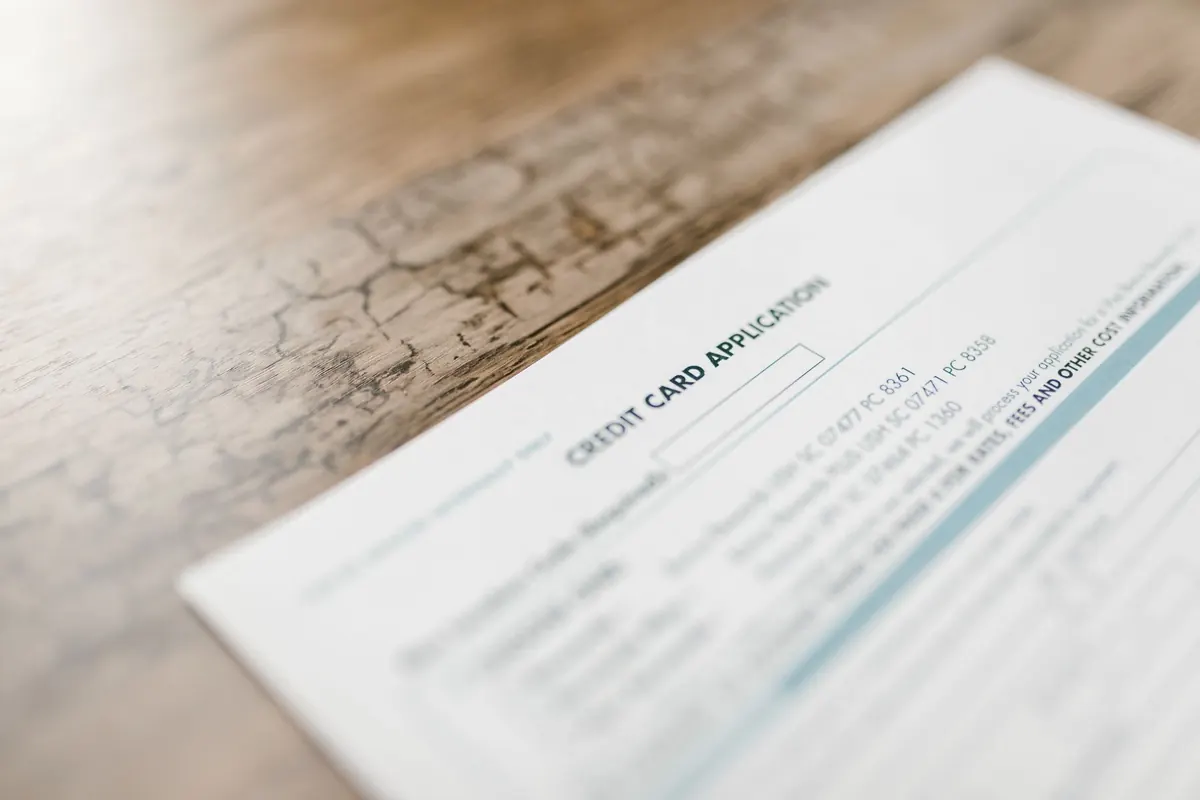
Photo: RDNE Stock project / Pexels