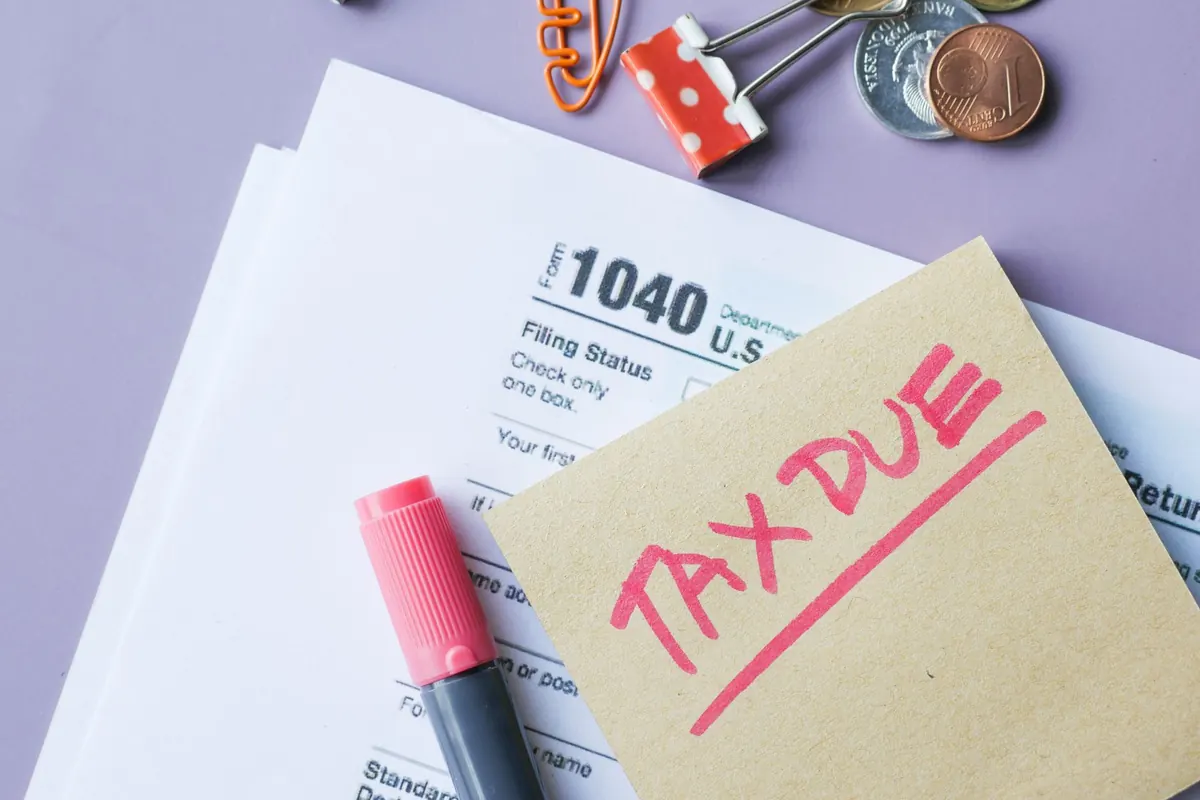
Every three months, a deposit landed in millions of Canadian bank accounts and, every three months, someone in a group chat asked what it was. The Canada Carbon Rebate, known for years as the Climate Action Incentive Payment, was Ottawa's way of returning the money it collected through the federal fuel charge on gasoline, natural gas and other fossil fuels. It went to households in provinces where the federal government set the price on carbon, not the province itself.
It was also one of the most misunderstood programs in the country. Plenty of eligible people never saw a cent because they skipped a tax return. Others lived a few kilometres past a city boundary and quietly missed out on a bigger payment. Here's how the pieces fit together, what the rules were, and what to do if you think you were owed money.
What the rebate actually was
Carbon pricing in Canada ran on two tracks. Large industrial emitters paid through their own system. Households paid through the fuel charge, worked into the price at the pump and on the natural gas bill.
The rebate was the household side of that bargain. Rather than recycling the money through program spending, the federal government sent it directly to people as a tax-free quarterly payment. The design was deliberate: the rebate didn't depend on how much fuel you burned, so a household that drove less or heated with a heat pump kept more of it than it paid in.
One detail worth remembering, because it tripped people up: the payment was not taxable. You didn't report it as income, and it didn't count against income-tested benefits.
Who qualified
Four boxes had to be ticked.
- You lived in a province where the federal fuel charge applied. For most of the program's life that meant Alberta, Saskatchewan, Manitoba, Ontario, New Brunswick, Nova Scotia, Prince Edward Island, Newfoundland and Labrador, and Nunavut. British Columbia, Quebec, the Northwest Territories and Yukon ran their own carbon pricing systems, and BC and Quebec delivered their own rebates or credits instead.
- You filed a tax return. This is the box people missed. The CRA used your return, not an application form, to work out whether you qualified and how much you got. No return, no payment, even if you had no income to report.
- You were a resident of Canada for tax purposes. Newcomers qualified too, starting once the CRA had assessed their first return.
- You were an adult. That meant 18 or older, with limited exceptions for younger people who had a spouse, a common-law partner or a child in their care.
How a household's amount was split
Only one adult in a couple received the full base amount. The other got a smaller spouse or common-law partner amount. Each child under 19 added a child amount on top. The CRA decided which partner got the base amount based on whose return was assessed first, which is why filing early mattered a little more than most people expected.
The rural top-up
If you lived outside a census metropolitan area, you received a top-up on the base and spouse amounts. It began at 10% and was doubled to 20%, first appearing in the April 2024 payment. That's a real difference: an extra fifth on top of your base amount, every quarter, for residents of small towns and rural municipalities.
The catch was that the CRA went strictly by the address on your tax return. Move from Winnipeg to a rural municipality and you'd typically see the top-up appear on your next payment after the change was processed. Move the other way and it vanished. If you'd relocated without updating your address, you could be paid at the wrong rate for months without noticing.
When the money arrived
Payments came quarterly, on dates that were easy to remember because they never changed:
- April 15
- July 15
- October 15
- January 15
When the 15th fell on a weekend or a statutory holiday, the CRA sent the money on the last business day before. Direct deposit usually landed on the day itself. Cheques took longer and had a habit of going astray after a move.
Amounts changed every April, when the federal carbon price rose, and they varied by province depending on how much fuel charge revenue that province generated. A family of four in Alberta and a family of four in Ontario did not receive the same payment. You didn't have to apply for any of it. Once you were in the CRA's system, payments were automatic, and you could confirm your enrolment and amounts in CRA My Account.
Where the program stands now
In March 2025, the federal government moved to remove the consumer fuel charge, effective April 1, 2025. The Canada Carbon Rebate ended with the April 2025 payment. Industrial carbon pricing for large emitters stayed in place, and provinces with their own systems, BC and Quebec among them, kept running their own rebates and credits.
What that means practically: if you didn't receive a payment you were entitled to for a quarter before April 2025, that money may still be owed to you. A program winding down doesn't erase an unpaid entitlement.
How to make sure you get everything you're owed
Start with your tax return. Even now, filing is the single thing that triggers or corrects these payments, because it's how the CRA decides who gets what. Then work through the rest:
- Check CRA My Account. Look at your benefit and credit payment history. If a scheduled carbon rebate payment is missing, you'll see the gap there instead of guessing.
- Confirm your address on file. Rural versus urban is a 20% swing on your payment. Update your address with the CRA the moment you move.
- Check your marital status. A stale status, still listed as single after you moved in with a partner, can throw off both the base and spouse amounts.
- Sign up for direct deposit. It's faster and it removes the failure point of a cheque mailed to an old address.
- Call the CRA if something is missing. Missed payments can often be issued retroactively, but usually only after you flag them. Have your tax slips and payment dates handy before you call.
A final word of caution: carbon pricing, rebates and credits are moving targets. Rules, amounts and even the existence of a program can change with a budget or a change in government. Before you build a rebate into your household budget, confirm the current details on the CRA's website or with a tax professional. Ten minutes of checking beats a surprise in April.
Photo: Towfiqu barbhuiya / Pexels